Expert Tips: Building Resilience in Challenging Times
DB
Understanding Resilience
In today's fast-paced world, building resilience is more crucial than ever. Resilience is the ability to bounce back from challenges and setbacks, adapting positively to adversity. It's a skill that can be developed and strengthened over time, making it an essential tool for navigating life's ups and downs.

Why Resilience Matters
Resilience is not just about enduring difficult times; it's about thriving despite them. When you cultivate resilience, you enhance your mental and emotional well-being, improve your problem-solving skills, and increase your overall satisfaction with life. This capacity to recover quickly from difficulties is key to achieving both personal and professional success.
Developing a Resilient Mindset
Building resilience starts with developing a positive mindset. Embrace challenges as opportunities for growth rather than insurmountable obstacles. Practice gratitude by focusing on what you have rather than what you lack. This shift in perspective can make a significant difference in how you handle adversity.

Practical Strategies for Resilience
Implementing practical strategies can help you build resilience more effectively. Consider the following approaches:
- Set realistic goals: Break down larger tasks into manageable steps to avoid feeling overwhelmed.
- Practice self-care: Prioritize your physical and mental health through regular exercise, healthy eating, and adequate rest.
- Build a support network: Surround yourself with positive influences and seek support when needed.
Cultivating Emotional Intelligence
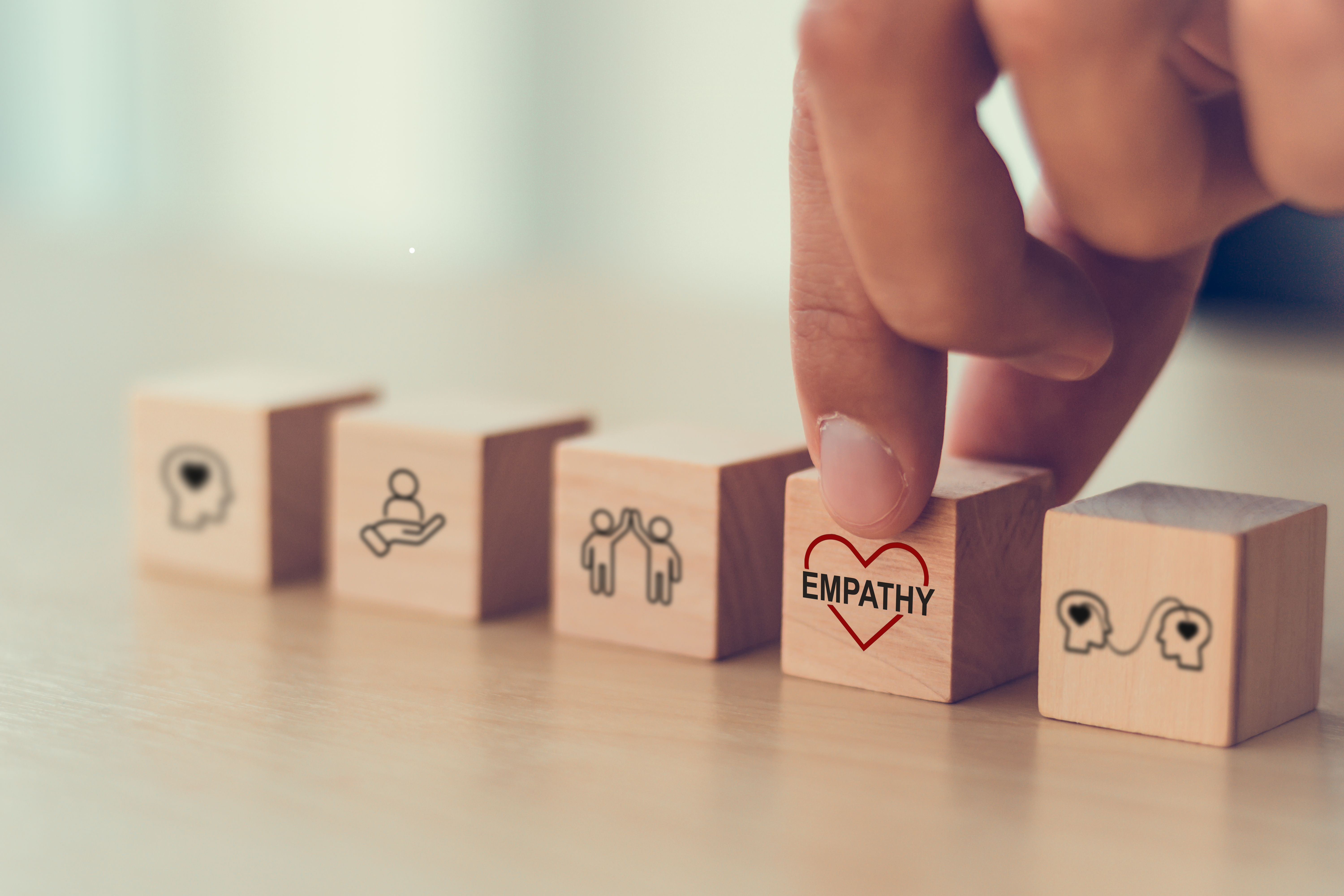
Emotional intelligence plays a vital role in resilience. It involves understanding and managing your emotions, as well as empathizing with others. By enhancing your emotional intelligence, you can better navigate interpersonal relationships and maintain stability during challenging times.
Embracing Flexibility and Adaptability
Flexibility and adaptability are key components of resilience. The ability to adjust your approach and remain open to new ideas can help you overcome obstacles more effectively. Embrace change as a natural part of life and view it as an opportunity for learning and development.
Reflecting and Learning from Experience
Reflection is a powerful tool for building resilience. After facing a challenge, take time to assess what you've learned and how you've grown. This practice of self-reflection not only reinforces your resilience but also prepares you for future challenges.

Conclusion: The Path to Resilience
Building resilience is a continuous journey that requires effort and dedication. By adopting a resilient mindset, implementing practical strategies, and embracing emotional intelligence, flexibility, and self-reflection, you can navigate life's challenges with greater ease and confidence. Remember, resilience is not about avoiding difficulties but learning to thrive despite them.